Tropical Islands with Unique Wildlife
Tropical islands with unique wildlife – Tropical islands are renowned for their diverse and unique wildlife, showcasing a plethora of species found nowhere else on Earth. These islands serve as crucial habitats for a wide array of flora and fauna, contributing to the overall biodiversity of our planet.
Popular Tropical Islands Known for Unique Wildlife
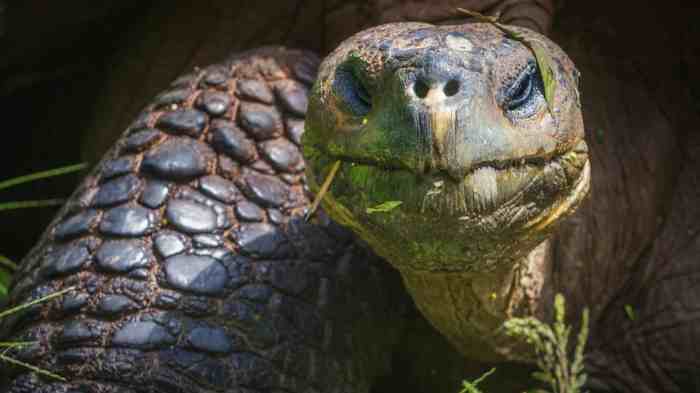
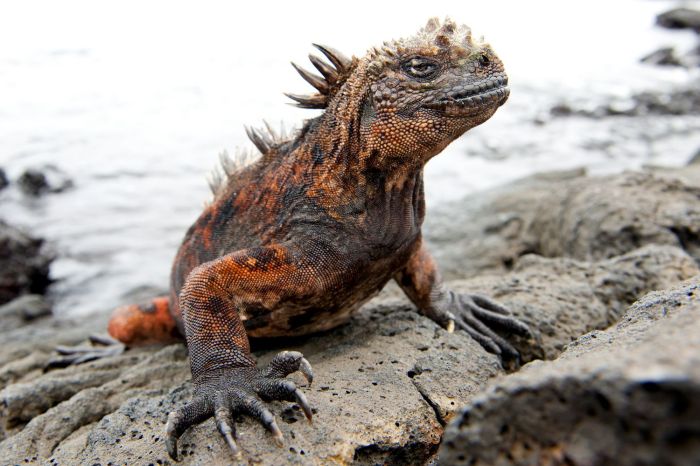
- The Galapagos Islands: Famous for their endemic species such as the Galapagos giant tortoise and marine iguana.
- Madagascar: Home to a vast number of unique lemurs, chameleons, and other endemic species.
- Borneo: Known for its diverse rainforests that house orangutans, pygmy elephants, and proboscis monkeys.
Significance of Preserving Biodiversity on Tropical Islands
Preserving biodiversity on tropical islands is vital for maintaining healthy ecosystems, as each species plays a crucial role in the balance of nature. By protecting these unique habitats, we ensure the survival of countless species and the overall health of the environment.
Contribution of Wildlife to the Ecosystem
- Seed dispersal: Many tropical island species play a key role in seed dispersal, aiding in the growth of vegetation and maintaining the ecosystem’s balance.
- Pollination: Birds, insects, and other wildlife species help pollinate plants, ensuring their reproduction and the survival of various plant species.
Examples of Unique Wildlife Species on Tropical Islands
- Quokkas on Rottnest Island, Australia: Known for their friendly and photogenic nature, these marsupials are found only on a few islands off the coast of Western Australia.
- Komodo Dragons in Komodo National Park, Indonesia: The world’s largest lizard species, these formidable predators are native to the Indonesian islands of Komodo, Rinca, and Flores.
Festival Travel
Exploring festivals celebrated on tropical islands with a focus on wildlife allows for a unique cultural experience intertwined with conservation efforts.
Wildlife Conservation Festivals
Many tropical islands host festivals that highlight the importance of wildlife conservation through various activities and events. These festivals serve as platforms to educate locals and tourists about the significance of preserving the unique flora and fauna of the region.
- Organized beach clean-ups and tree planting activities during festivals help raise awareness about the impact of pollution on marine and terrestrial wildlife habitats.
- Guided nature walks and birdwatching tours encourage festival attendees to appreciate the biodiversity of the island and understand the need for conservation efforts.
- Workshops and talks by environmental experts and conservationists provide valuable insights into the challenges faced by wildlife and the ways individuals can contribute to conservation initiatives.
Cultural Significance
These wildlife-related festivals hold immense cultural significance for the local communities on tropical islands. They often showcase traditional dances, music, and art forms that celebrate the deep connection between people and nature.
- Traditional ceremonies paying homage to animals considered sacred in local folklore demonstrate the reverence and respect for wildlife ingrained in the island’s cultural heritage.
- Culinary events featuring sustainable and locally sourced ingredients promote eco-friendly practices and support the preservation of natural resources.
- Art exhibitions showcasing wildlife-inspired creations by local artisans help preserve traditional craftsmanship and raise funds for conservation projects.
Personal Experiences
Attending wildlife-related festivals on tropical islands has been a truly enriching experience for me. The vibrant atmosphere, coupled with the opportunity to learn about conservation efforts, has deepened my appreciation for the beauty and fragility of island ecosystems.
- Participating in mangrove planting activities during a festival in the Seychelles made me realize the importance of coastal habitats for various marine species.
- Witnessing a traditional dance performance inspired by the mating rituals of rare birds in Papua New Guinea highlighted the intricate connection between culture and wildlife conservation.
- Engaging in a workshop on sustainable fishing practices at a festival in Fiji opened my eyes to the challenges faced by local communities dependent on marine resources.
Hiking Trails
Exploring tropical islands through hiking trails offers a unique opportunity to immerse yourself in the stunning natural beauty and diverse wildlife that these destinations have to offer. Here are some popular hiking trails on tropical islands that provide unforgettable wildlife sightings:
Popular Hiking Trails with Wildlife Sightings
- The Kalalau Trail in Kauai, Hawaii: This challenging 11-mile trail along the Na Pali Coast offers breathtaking views of the ocean and lush valleys, with opportunities to spot native bird species like the Hawaiian nene (goose) and the ‘i’iwi.
- The Anse Major Trail in Mahe, Seychelles: This coastal trail takes you through lush forests and granite boulders, where you can encounter unique wildlife such as giant tortoises and rare bird species like the Seychelles warbler.
- The Mount Gower Trail in Lord Howe Island, Australia: This strenuous hike to the summit of Mount Gower rewards you with panoramic views of the island and a chance to spot endemic species like the Lord Howe Island woodhen and providence petrel.
Flora and Fauna on Hiking Trails
Along these hiking trails, you will encounter a diverse range of flora and fauna specific to each tropical island. From vibrant orchids and towering palms to elusive birds and unique reptiles, the biodiversity on these trails is truly remarkable.
Importance of Sustainable Hiking Practices
It is crucial to practice sustainable hiking habits to protect the delicate ecosystems and wildlife on tropical islands. Stay on designated trails, avoid littering, and respect wildlife by observing from a safe distance. By treading lightly on these trails, we can ensure the preservation of these precious habitats for future generations.
Tips for Hikers Exploring Tropical Islands with Unique Wildlife
- Research the trail beforehand to understand the wildlife you may encounter and any precautions you need to take.
- Carry plenty of water, snacks, and necessary gear for a safe and enjoyable hike.
- Respect wildlife by not feeding or approaching animals, and follow any regulations set in place for conservation purposes.
- Leave no trace by packing out all trash and avoiding damaging vegetation or disturbing habitats.
Travel Reviews
When it comes to tropical islands with unique wildlife, travel reviews play a crucial role in shaping people’s expectations and influencing their decision to visit. These reviews provide valuable insights into the wildlife encounters and overall experiences that travelers have had on these islands.
Positive Aspects of Wildlife Encounters, Tropical islands with unique wildlife
- Many travelers rave about the opportunity to see rare and exotic species up close in their natural habitats.
- Some reviews highlight the knowledgeable guides who provide interesting facts and information about the wildlife.
- Visitors often mention the breathtaking beauty of the landscapes where they observe the wildlife, creating unforgettable memories.
Negative Aspects of Wildlife Encounters
- Some travelers express concerns about the impact of tourism on the natural habitats of the wildlife, such as overcrowding or disturbances.
- A few reviews mention limited access to certain areas or restrictions that prevent closer interactions with the wildlife.
- Occasionally, visitors note instances of irresponsible behavior by other tourists that may harm the wildlife or disrupt their natural behaviors.
Impact of Travel Reviews on Promoting Ecotourism
Travel reviews play a significant role in promoting ecotourism on tropical islands with unique wildlife. Positive reviews can attract more visitors who are interested in experiencing nature responsibly and supporting conservation efforts. On the other hand, negative reviews can raise awareness about environmental issues and encourage tourism operators to implement sustainable practices to protect the wildlife and their habitats.
Travel Accessories
When exploring tropical islands with unique wildlife, having the right travel accessories can enhance your experience and ensure you are well-prepared for your adventures.
Essential Travel Accessories
- Comfortable and sturdy hiking boots for trekking through diverse terrains.
- A lightweight and waterproof backpack to carry essentials like water, snacks, and camera gear.
- Binoculars for wildlife spotting and birdwatching.
- Sunscreen, insect repellent, and a wide-brimmed hat for sun protection.
- A reusable water bottle to stay hydrated while reducing plastic waste.
Eco-Friendly Travel Accessories in Wildlife Conservation
- Reusable silicone food storage bags and utensils to minimize single-use plastic consumption.
- Solar-powered chargers for electronics to reduce reliance on disposable batteries.
- Biodegradable toiletries to avoid harmful chemicals entering the environment.
- Eco-friendly dry bags to protect your belongings and prevent littering.
Packing Tips for Wildlife-Focused Trips
- Pack light and only bring essentials to minimize your environmental footprint.
- Organize your belongings in separate compartments to easily access items during outdoor activities.
- Consider the weather conditions and terrain of the island when choosing clothing and footwear.
- Bring a reusable tote bag for collecting trash and leaving no trace behind in the wilderness.
Innovative Travel Accessories for Wildlife Enthusiasts
- A wildlife camera trap to capture candid moments of animals in their natural habitats.
- An eco-friendly portable water filter for safe drinking water on the go.
- A lightweight and compact hammock for relaxing in between wildlife sightings.
- GPS tracking devices to ensure safety and navigate unfamiliar trails with ease.
Road Adventures
Embark on an exciting journey exploring road adventures on tropical islands filled with unique wildlife.
Scenic Routes for Wildlife Enthusiasts
Discover scenic routes that offer breathtaking views of lush forests, pristine beaches, and diverse wildlife habitats. Drive through winding roads that take you deep into the heart of nature, providing opportunities for wildlife sightings along the way.
- Coastal Drives: Experience the beauty of coastal roads that offer stunning views of the ocean and opportunities to spot marine life such as dolphins and sea turtles.
- Jungle Trails: Navigate through dense jungles and rainforests, where you can encounter exotic bird species, monkeys, and other wildlife unique to the region.
- Mountain Passes: Journey through mountainous terrain with winding roads that lead to panoramic vistas and encounters with rare mountain-dwelling species.
Immerse yourself in the natural beauty of tropical islands as you drive through these scenic routes, keeping an eye out for wildlife sightings that will make your road adventure unforgettable.
Challenges and Rewards of Road Trips
Embarking on road trips to explore wildlife on tropical islands comes with its own set of challenges and rewards. From navigating unfamiliar terrain to encountering unexpected wildlife encounters, every moment on the road is an adventure waiting to unfold.
- Challenges: Road conditions may vary from paved highways to rugged dirt tracks, requiring careful navigation and preparedness for unexpected obstacles. Wildlife sightings can be unpredictable, requiring patience and keen observation skills.
- Rewards: The thrill of spotting rare and elusive wildlife species in their natural habitat, the freedom to explore at your own pace, and the sense of accomplishment from conquering challenging road conditions.
Recommendations for Planning Road Adventures
To make the most of your road adventures on tropical islands, consider the following recommendations for a memorable and safe journey:
- Research Wildlife Hotspots: Prioritize destinations known for abundant wildlife populations and unique species to maximize your chances of sightings.
- Prepare Adequate Supplies: Stock up on essentials such as water, food, first aid kit, and navigation tools to ensure you’re well-equipped for the journey.
- Respect Wildlife and Environment: Follow local regulations, maintain a safe distance from wildlife, and leave no trace to preserve the fragile ecosystems you encounter.
Travel Rewards
Exploring tropical islands with unique wildlife can be a rewarding experience, not only for the soul but also for your wallet. Many travel rewards programs offer perks and benefits specifically tailored for wildlife-focused trips, making your adventures even more memorable.
Loyalty Programs for Wildlife Travel
Joining loyalty programs associated with airlines, hotels, or tour operators can earn you points or miles that can be redeemed for free flights, accommodation upgrades, or even wildlife excursions. Look for partnerships with conservation organizations to support sustainable travel practices.
Benefits of Earning Travel Rewards for Wildlife Trips
- Discounted or free accommodations in eco-friendly lodges or resorts.
- Complimentary wildlife tours or safaris with experienced guides.
- Potential upgrades to premium seating on wildlife-focused flights.
- Opportunities to participate in conservation efforts through travel rewards donations.
Personal Experiences Redeeming Travel Rewards for Wildlife Expeditions
During a recent trip to Africa, I was able to use my travel rewards points to book a luxury safari experience in a national park known for its diverse wildlife population. The ability to offset the cost of such a once-in-a-lifetime adventure made the experience even more fulfilling.
Tips for Maximizing Travel Rewards for Sustainable Travel
- Focus on earning points or miles through wildlife-friendly travel partners.
- Utilize credit cards with travel rewards that offer bonus points for eco-friendly purchases.
- Stay informed about limited-time promotions or bonus offers for wildlife-focused trips.
- Consider pooling points with travel companions to maximize rewards for group expeditions.
Winter Getaways
Planning a winter getaway to a tropical island can be a great escape from the cold weather. Here, we will explore some tropical islands with unique wildlife that are perfect for winter vacations.
Tropical Islands Ideal for Winter Getaways
Some tropical islands known for their unique wildlife that are ideal for winter getaways include:
- The Galápagos Islands: Famous for their diverse marine life and iconic species such as giant tortoises and blue-footed boobies.
- Borneo: Home to orangutans, pygmy elephants, and a wide variety of bird species.
- Hawaii: Known for its stunning landscapes, coral reefs, and endemic bird species like the Hawaiian honeycreeper.
Seasonal Changes in Wildlife Behavior During Winter
During winter on these tropical islands, wildlife behavior can change due to factors such as migration patterns, mating seasons, and food availability. For example, some bird species may migrate to these islands for warmer weather, while others may engage in courtship displays.
Winter Activities for Wildlife Observation
To make the most of your winter getaway on a tropical island, consider engaging in activities focused on wildlife observation such as:
- Snorkeling or diving to witness marine life up close.
- Taking guided nature walks to spot endemic species.
- Joining wildlife cruises to explore different habitats and ecosystems.
Planning a Memorable Winter Getaway
When planning a winter getaway to a tropical island, be sure to research the best time to visit for wildlife sightings, pack appropriate gear for outdoor excursions, and book accommodations in advance. Consider joining guided tours or hiring local guides to enhance your wildlife viewing experience.
Camping Sites
When camping on tropical islands known for unique wildlife encounters, it is essential to choose sites that offer a balance between nature immersion and visitor comfort. Here are some camping sites that provide an opportunity to connect with nature while respecting the delicate ecosystems of these islands.
Camping Sites on Tropical Islands
- Raja Ampat, Indonesia: Located in West Papua, Raja Ampat offers camping opportunities on secluded beaches surrounded by lush rainforests. Facilities include basic campsites with access to freshwater sources and eco-friendly toilets. Visitors can enjoy snorkeling and diving to witness the diverse marine life.
- Galapagos Islands, Ecuador: Camping is permitted on designated sites on some of the islands, such as Santa Cruz and Isabela. Campers can expect basic amenities like tent platforms, toilets, and communal cooking areas. Strict regulations are in place to protect the unique wildlife, including the iconic Galapagos tortoises.
- Borneo, Malaysia: The Malaysian part of Borneo offers camping experiences in the heart of dense rainforests teeming with wildlife. Campers can stay in comfortable tents or traditional longhouses, with facilities such as shared bathrooms and dining areas. Guided hikes provide opportunities to spot orangutans, proboscis monkeys, and pygmy elephants.
Camping Regulations and Guidelines
- Always follow designated camping areas and avoid setting up camp in restricted zones to protect sensitive habitats and wildlife.
- Respect wildlife by observing from a distance, refraining from feeding animals, and storing food securely to prevent attracting them to the campsite.
- Properly dispose of waste by using designated trash bins or carrying out all trash to maintain the pristine environment for future visitors and wildlife.
Personal Anecdotes
Camping on the Galapagos Islands was a surreal experience. Waking up to the sounds of sea lions barking and observing giant tortoises roaming freely around the campsite created a deep connection with nature that I will never forget. It was a reminder of the importance of responsible tourism in preserving these unique ecosystems for generations to come.
Local Cuisine
When exploring tropical islands, one cannot miss the opportunity to delve into the unique and flavorful local cuisine. Not only does it offer a taste of the region, but it also provides insights into the sustainable food practices and cultural traditions of the island.
Sustainable Food Practices
Local cuisine in tropical islands often revolves around sustainable food practices, utilizing ingredients that are sourced locally and harvested in an environmentally friendly manner. This not only supports the local economy but also helps in preserving the delicate ecosystem of the island.
Dishes Featuring Ingredients from Unique Wildlife
- Grilled Flying Fox: A traditional dish that showcases the island’s unique wildlife, the Flying Fox fruit bat is grilled to perfection and served with a tangy fruit sauce.
- Coconut Crab Curry: Made with the giant coconut crab found only on the island, this rich and flavorful curry is a must-try for seafood lovers.
- Papaya Salad with Sea Urchin: A refreshing salad that combines the sweetness of papaya with the briny flavor of sea urchin, offering a unique culinary experience.
Cultural Significance of Traditional Dishes
Traditional dishes in tropical islands hold great cultural significance, often being passed down through generations. These dishes not only serve as a connection to the island’s history but also play a role in wildlife conservation by promoting the sustainable use of resources.
Recipes and Cooking Tips
For those looking to recreate the flavors of tropical islands at home, here are some cooking tips inspired by the local cuisine:
- Use fresh and local ingredients whenever possible to capture the essence of the island.
- Experiment with bold spices and flavors to create dishes that are both vibrant and delicious.
- Incorporate fruits and seafood in creative ways to mimic the unique dishes found on the island.
Wildlife Safaris
In tropical islands, wildlife safaris offer a unique opportunity to observe exotic species in their natural habitats. These safaris not only provide a thrilling experience but also promote conservation efforts by raising awareness about the importance of preserving these ecosystems.
Types of Wildlife Safaris
- Boat Safaris: Explore coastal areas and mangrove forests to spot marine life such as dolphins, sea turtles, and various bird species.
- Jeep Safaris: Venture into the heart of the island to encounter land-dwelling animals like monkeys, sloths, and exotic birds.
- Walking Safaris: Embark on guided walks through the jungle to observe smaller wildlife species and learn about the flora and fauna.
Responsible Practices and Ethical Considerations
- Choose reputable tour operators that prioritize animal welfare and conservation.
- Follow guidelines set by park authorities to minimize disturbance to the wildlife.
- Avoid feeding or approaching animals closely to maintain their natural behaviors.
- Respect the environment by not littering and staying on designated trails during safaris.
Booking Recommendations
- Research the wildlife species you are interested in observing to choose the right safari experience.
- Read reviews and testimonials from other travelers to select a reliable tour operator.
- Book in advance to secure your spot, especially during peak tourist seasons.
- Consider the duration and intensity of the safari to ensure it matches your preferences and physical abilities.
Travel Vlogs: Tropical Islands With Unique Wildlife
Travel vlogs have become a popular medium for sharing adventures and inspiring viewers to explore new destinations. When it comes to tropical islands with unique wildlife, travel vlogs play a crucial role in showcasing the beauty and diversity of these locations.
Impact of Travel Vlogs in Inspiring Viewers
Travel vlogs have a significant impact on inspiring viewers to explore wildlife destinations. By visually capturing the stunning landscapes, rare wildlife encounters, and exciting adventures on tropical islands, vloggers can ignite a sense of wanderlust and curiosity in their audience.
The immersive experience provided by travel vlogs allows viewers to feel like they are part of the journey, encouraging them to plan their own wildlife-focused trips.
Storytelling Techniques in Wildlife-Focused Travel Vlogs
- Compelling Narratives: Effective travel vlogs often feature engaging storytelling that captures the essence of the wildlife encounters and the unique experiences on tropical islands.
- Breathtaking Visuals: High-quality cinematography and stunning visuals enhance the storytelling, allowing viewers to immerse themselves in the beauty of the wildlife and landscapes.
- Personal Connection: Vloggers who share their personal experiences, emotions, and insights create a deeper connection with viewers, making them more invested in the wildlife adventures.
- Informative Content: Educational elements, such as wildlife facts, conservation efforts, and sustainable travel tips, add value to the storytelling and inspire viewers to learn more about the destination.
Favorite Travel Vlogs Featuring Wildlife Encounters
Some of our favorite travel vlogs featuring wildlife encounters on tropical islands include:
- “Island Wildlife Adventures”:This vlog showcases the incredible biodiversity of tropical islands, from colorful bird species to marine life encounters.
- “Into the Wild: Exploring Remote Islands”:Follow along as vloggers embark on thrilling hikes and wildlife safaris on untouched islands, capturing rare animal sightings and breathtaking landscapes.
- “Wildlife Wonders: Tropical Island Edition”:Experience the magic of tropical islands through this vlog, which highlights the unique wildlife species and conservation efforts in the region.
Car Rentals
Renting a car can be a convenient and flexible way to explore tropical islands with unique wildlife. It allows travelers to have the freedom to visit remote locations and wildlife-rich areas at their own pace.
Benefits of Car Rentals for Wildlife Enthusiasts
- Flexibility to explore off-the-beaten-path locations that may not be easily accessible by public transportation.
- Ability to create personalized wildlife viewing itineraries and spend more time observing animals in their natural habitats.
- Convenience of carrying necessary gear such as binoculars, cameras, and hiking equipment without restrictions.
- Opportunity to stop and admire wildlife sightings along the way without being constrained by fixed schedules.
Tips for Driving Safely in Wildlife-Rich Areas
- Observe speed limits and drive cautiously to avoid startling wildlife or causing accidents.
- Stay on designated roads and trails to minimize disturbance to the natural habitats of animals.
- Be aware of wildlife crossing signs and be prepared to yield to animals on the road.
- Avoid feeding or approaching wildlife as it can be harmful to both animals and humans.
Recommendation: Environmentally Sustainable Car Rental Companies
- Consider renting from companies that offer eco-friendly vehicle options such as electric or hybrid cars.
- Look for car rental companies that support conservation efforts and have initiatives to reduce their environmental impact.
- Check if the company follows sustainable practices in their operations, such as recycling, energy efficiency, and carbon offset programs.
- Research reviews and ratings to choose a car rental provider that aligns with your values of environmental responsibility.
Scenic Routes
Driving along scenic routes on tropical islands can offer breathtaking views of diverse landscapes and wildlife habitats. These routes provide a unique opportunity to witness the beauty of nature up close and spot various wildlife species in their natural habitats.
Lush Rainforest Trails
One of the most enchanting scenic routes on tropical islands is through lush rainforest trails. These routes are lined with towering trees, vibrant flora, and exotic wildlife. The best time to drive along these trails is early morning or late afternoon when wildlife is most active.
Keep an eye out for colorful birds, monkeys swinging through the trees, and even elusive big cats like jaguars.
Coastal Clifftop Drives
Coastal clifftop drives offer stunning views of the turquoise waters below and the rugged coastline. Driving along these routes during sunrise or sunset can provide the perfect lighting for capturing dramatic landscapes and wildlife sightings. Look out for marine life such as dolphins, whales, and sea turtles along the coastline.
Mountainous Passes
Traversing through mountainous passes on tropical islands allows you to witness breathtaking panoramic views of valleys, waterfalls, and lush greenery. The best time to drive through these passes is during the day when the sunlight enhances the natural beauty of the surroundings.
Keep an eye out for mountain goats, deer, and other wildlife that call these rugged terrains home.
Weekend Getaways
For wildlife enthusiasts looking to escape for a weekend getaway, tropical islands offer the perfect opportunity to immerse oneself in nature and observe unique wildlife species in their natural habitat.
Top Weekend Getaway Destinations for Wildlife Enthusiasts
- Maui, Hawaii: Explore the diverse ecosystems of Maui, from lush rainforests to volcanic landscapes, and encounter native species like the Hawaiian monk seal and the nene goose.
- Galápagos Islands, Ecuador: Discover the incredible biodiversity of the Galápagos Islands, home to iconic species such as giant tortoises, marine iguanas, and blue-footed boobies.
- Borneo, Malaysia: Trek through the dense jungles of Borneo to spot orangutans, proboscis monkeys, and pygmy elephants in their natural habitat.
Maximizing Wildlife Experiences during a Weekend Trip
- Plan your itinerary in advance to include guided wildlife tours, nature hikes, and wildlife watching excursions.
- Stay in eco-friendly accommodations close to nature reserves or national parks for easy access to wildlife viewing opportunities.
- Engage with local wildlife conservation organizations to learn more about efforts to protect endangered species and habitats.
Benefits of Short Getaways in Reconnecting with Nature and Wildlife
- Short getaways provide a refreshing break from the hustle and bustle of daily life, allowing you to recharge and reconnect with nature.
- Immersing yourself in the natural beauty of tropical islands can help reduce stress and improve overall well-being.
- Weekend getaways offer a chance to appreciate the wonders of wildlife up close and develop a deeper appreciation for conservation efforts.
Tips for Planning a Successful Weekend Getaway to a Tropical Island
- Check the weather forecast and pack accordingly for outdoor activities and wildlife encounters.
- Research the local wildlife species and their habitats to better understand what to look for during your trip.
- Book accommodations and tours in advance to secure your spot and make the most of your weekend getaway.
FAQ Section
What are some popular tropical islands known for their unique wildlife?
Some popular tropical islands known for their unique wildlife include Madagascar, Galapagos Islands, Borneo, and the Seychelles.
How do festivals celebrated on tropical islands promote conservation efforts?
Festivals celebrated on tropical islands often raise awareness about the importance of preserving wildlife and their habitats, leading to increased conservation efforts.
What are some essential travel accessories for exploring tropical islands with unique wildlife?
Essential travel accessories for exploring tropical islands with unique wildlife include binoculars, eco-friendly sunscreen, insect repellent, and a good camera for wildlife photography.
How can travelers contribute to wildlife conservation on tropical islands?
Travelers can contribute to wildlife conservation on tropical islands by supporting local conservation initiatives, practicing responsible tourism, and respecting wildlife habitats and species.
What are some recommended winter activities focused on wildlife observation on tropical islands?
Recommended winter activities focused on wildlife observation on tropical islands include whale watching, bird watching, and exploring nature reserves to spot unique wildlife species.